
A working agent in your sandbox
Not a slide deck. A running agent on real data by the end of week three, with its failure modes visible to everyone.
Multi-step AI agents that take over long, repetitive tasks: inbox triage, refunds, reporting and follow-up, vetted with evals and shipped with guardrails.
Task automation at Agnotiq means a multi-step AI agent that picks up a long, branching process your team keeps postponing, runs it end to end inside the tools you already use, and hands the exceptions back to a person. Every agent is vetted with an eval suite before it ships and deployed with guardrails and a kill-switch.
Most small and mid-sized teams don't have a tooling problem. They have a queue of repetitive work that never quite gets done: the inbox that needs sorting, the refund that needs three checks, the weekly report someone assembles by hand. Rules-based automation handles the deterministic parts. The rest needs judgment, and that is where an agent earns its keep.
We start from the score, not the story. Before the agent exists, we write the eval suite with your subject experts, so "done" has a definition. Then we build the agent in your sandbox, run it against real data and real edge cases, and ship it only once it clears the bar. About one in five prototypes never does, and that is the system working as designed.
Not a slide deck. A running agent on real data by the end of week three, with its failure modes visible to everyone.
Hundreds of scored cases, run on every prompt change and every model swap, kept in your repo and your CI.
Rollout starts small, observability is piped to the channels you already use, and every agent can be paused in one action.
Low-risk work moves on its own. Higher-risk cases stay visible for a one-tap review in a dashboard or in Slack.
Two weeks sitting with your team to find the three repetitive loops where an agent pays for itself fastest.
A working agent in your sandbox by week three, run against the messy cases, not the demo cases.
Your experts score the eval suite. The agent ships when it clears the bar, not when the calendar says so.
Canary rollout, telemetry and kill-switches, then a quarter on call tuning prompts and swapping models.
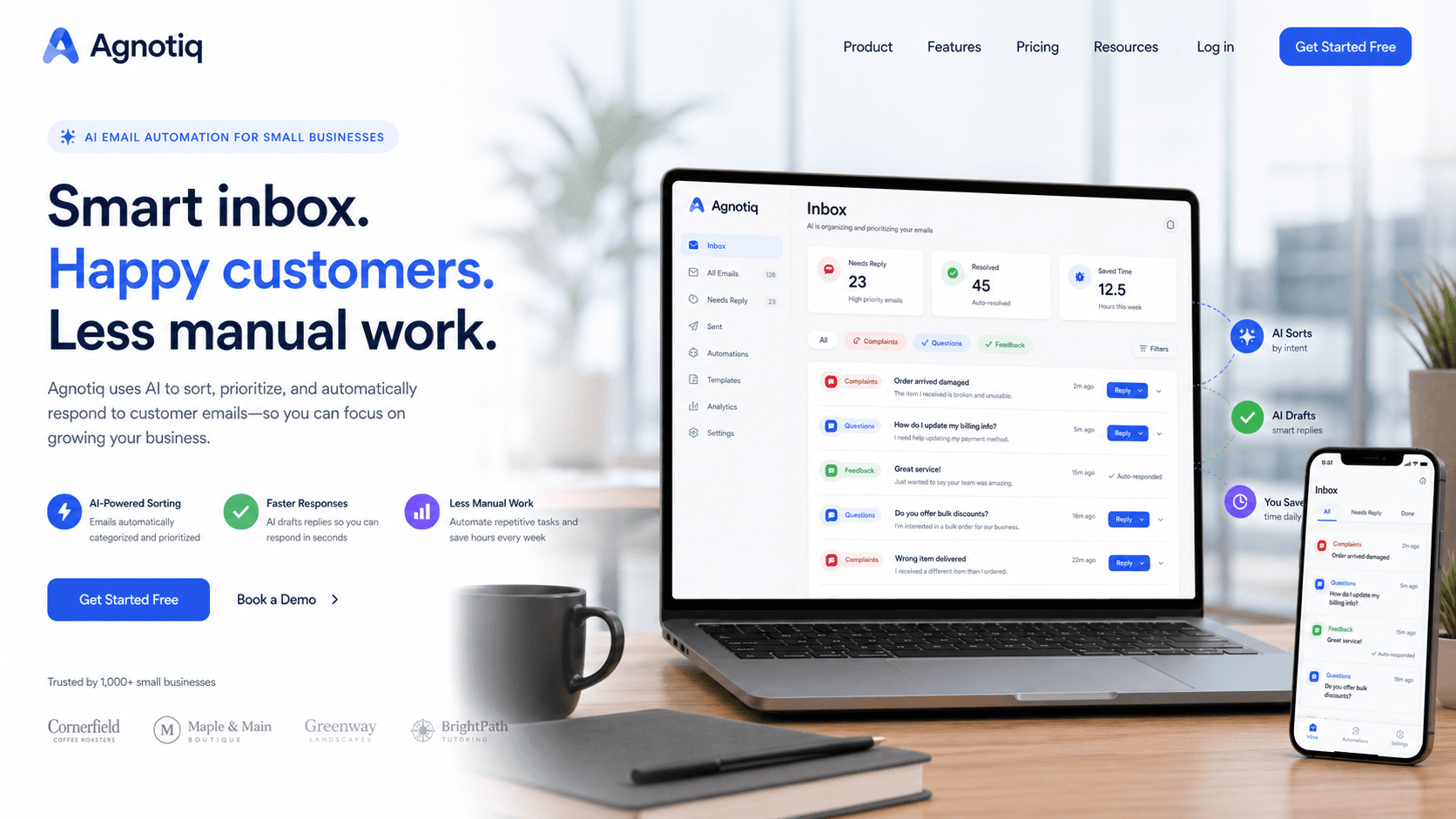
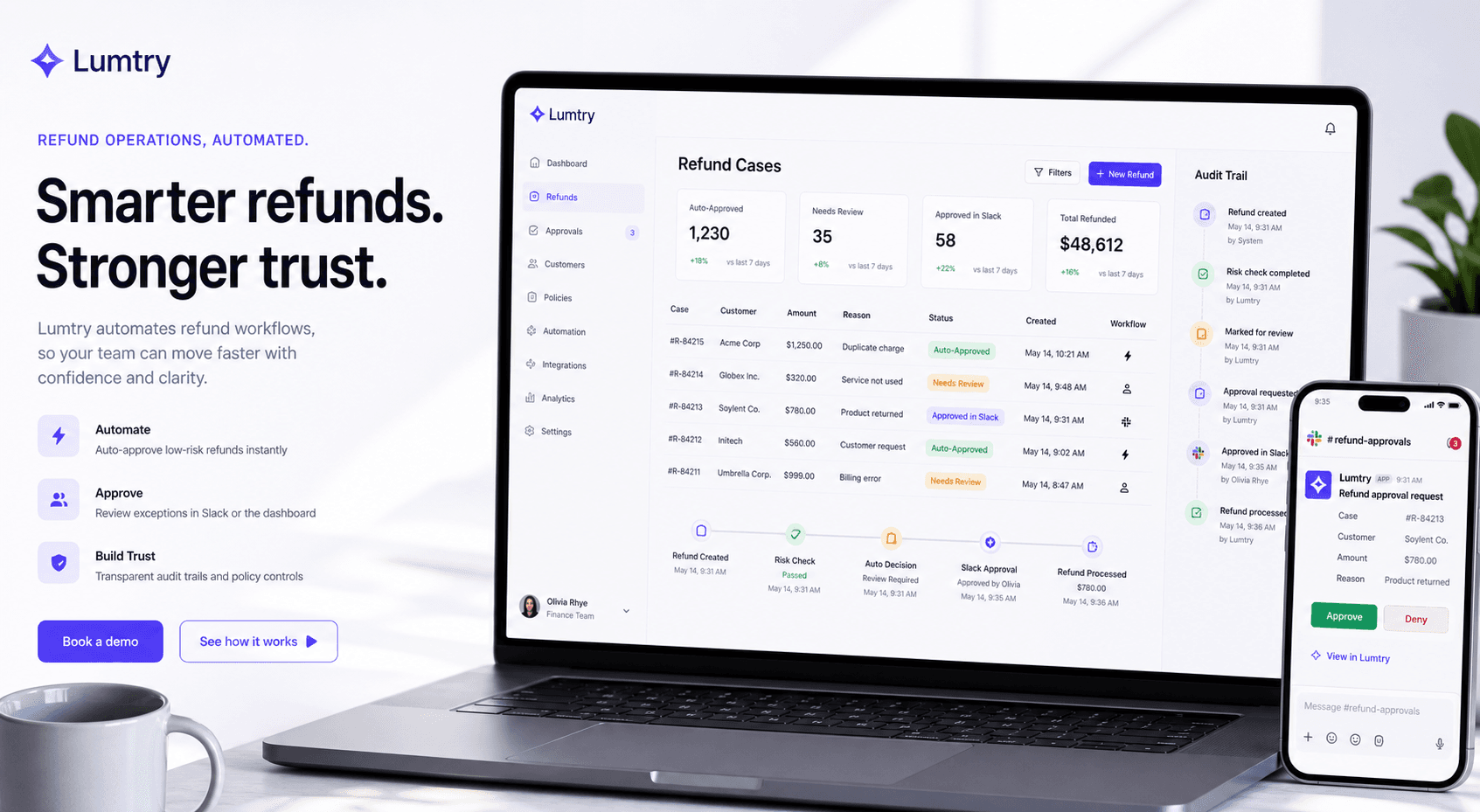
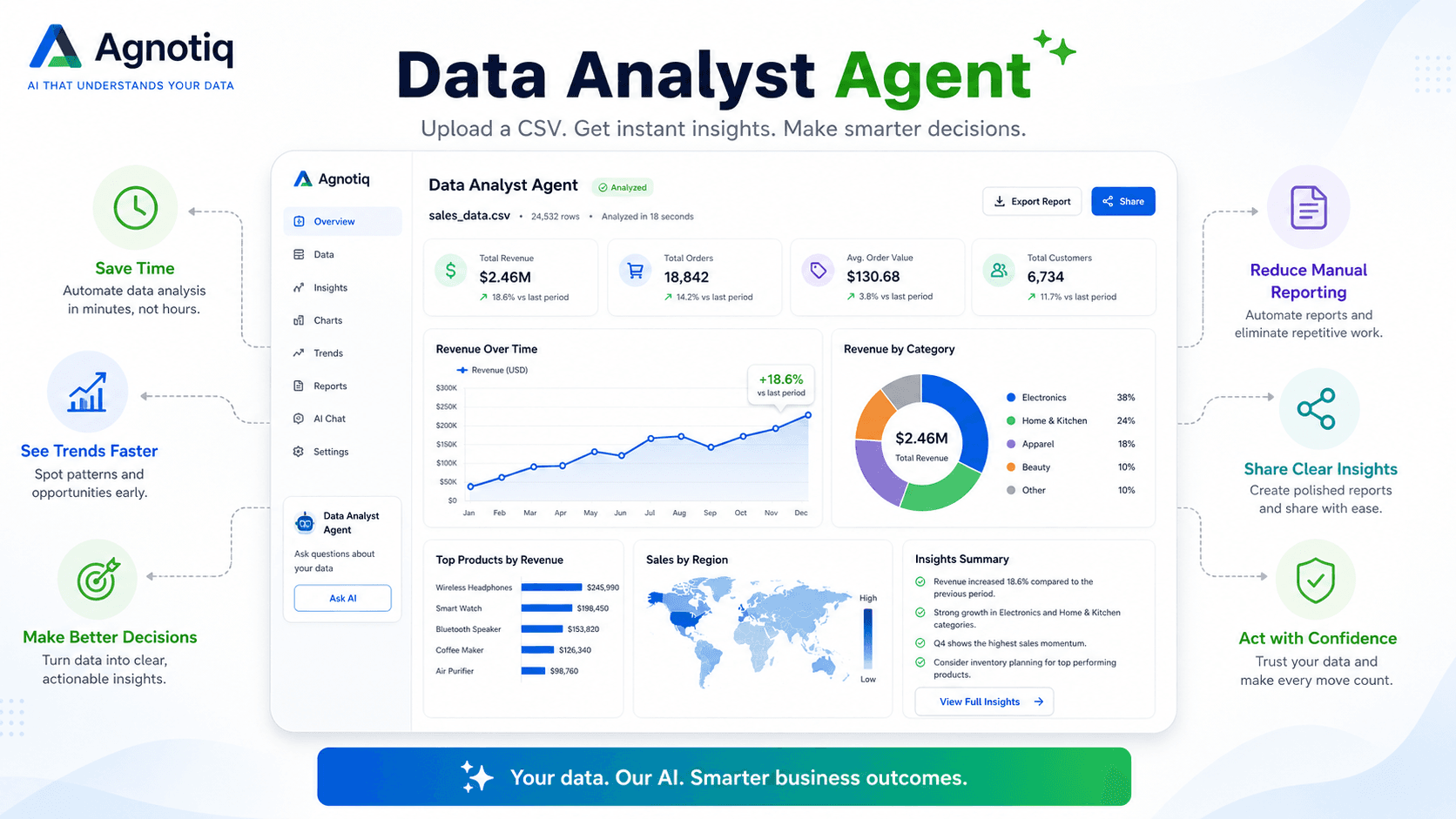
Repetitive, multi-step work with a clear definition of done: inbox triage, refund handling, report assembly, follow-ups and record updates. If a person can explain how they decide, we can write an eval for it, and if we can write an eval, we can ship an agent against it.
Two weeks of discovery, then a working prototype in your sandbox by the end of week three. Production rollout follows once the eval bar is met, typically inside the four-week Sprint.
They go to a person. Every agent we ship routes low-confidence or high-risk cases to a human review step, in a dashboard or in Slack, with the evidence attached.
No. Agents connect to the email, ticketing, payment and data systems your team already runs. The work stays where it is; the agent moves it along.
Tell us what's eating your team's afternoons. We'll come back inside three days with a discovery plan, a price, and the names of the engineers we'd put on it.